Top 20 Must-Visit Places in the Philippines
The Philippines, an archipelago of over 7,000 islands, is a treasure trove of natural wonders, vibrant cultures, and historical landmarks. From pristine beaches and crystal-clear waters to lush mountains and bustling cities, the Philippines offers diverse destinations for all travellers. This guide highlights the top 20 must-visit places in the Philippines, showcasing the best this tropical paradise offers.
Table of Contents
Boracay
Boracay is synonymous with paradise, boasting powdery white sands and turquoise waters. White Beach, stretching over four kilometres, is the island’s crown jewel, perfect for sunbathing, swimming, and water sports. The island’s nightlife is equally famous, with beachside bars and clubs offering a lively atmosphere after sundown. Adventure seekers can indulge in parasailing, windsurfing, and scuba diving. For a more serene experience, Puka Beach offers a quieter escape with its unique, larger-grained sand.

Palawan
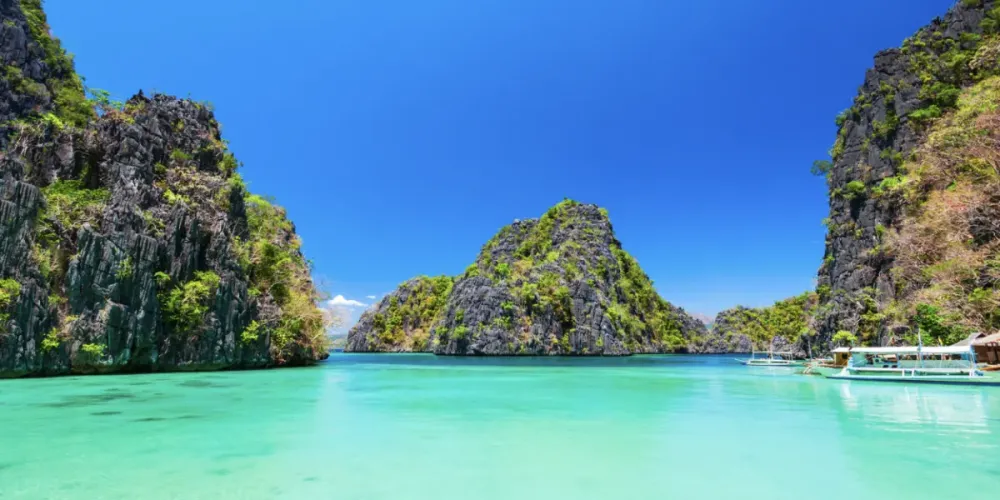
Often hailed as the last frontier of the Philippines, Palawan is home to some of the most breathtaking natural landscapes. With its dramatic limestone cliffs and hidden lagoons, El Nido offers a surreal island-hopping experience. Coron is a diver’s paradise, known for its World War II wreck diving sites and vibrant coral reefs. The Puerto Princesa Subterranean River, a UNESCO World Heritage Site, features an underground river flowing through a spectacular cave. Each destination within Palawan provides a unique glimpse into the untouched beauty of nature.

Cebu
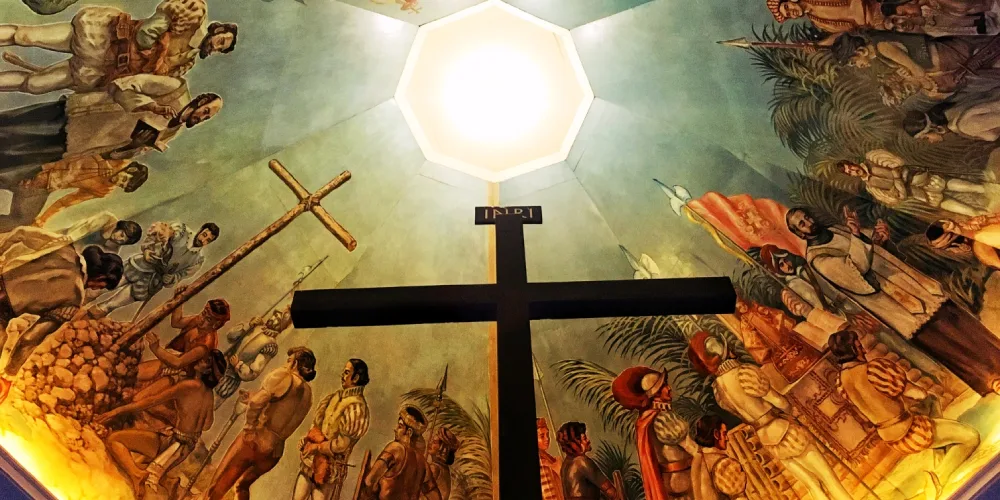
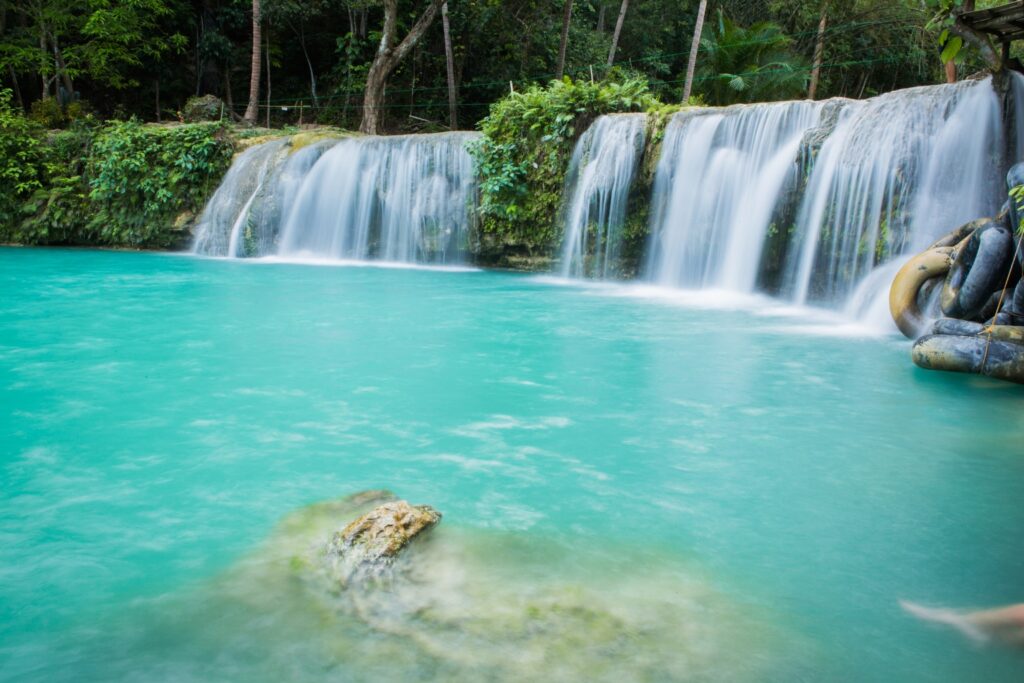
Cebu is a hub of historical significance and natural beauty. The island’s rich history is reflected in sites like Magellan’s Cross and the Basilica Minore del Santo Niño. For nature enthusiasts, Cebu offers some of the best diving spots in the Philippines, including the marine sanctuaries of Moalboal and Malapascua Island, famous for its thresher sharks. With its multi-tiered cascades and turquoise pools, Kawasan Falls is perfect for canyoneering and swimming. Cebu’s vibrant city life, combined with its natural attractions, makes it a versatile destination.
Bohol
Bohol is renowned for its unique geological formations and diverse wildlife. The Chocolate Hills, a series of over a thousand limestone hills that turn brown in the dry season, is a sight to behold. Panglao Island, connected to Bohol by a bridge, offers pristine beaches and excellent diving spots, including Balicasag Island. Bohol is also home to the Tarsier Sanctuary, where visitors can see one of the world’s smallest primates in their natural habitat. The Loboc River Cruise provides a relaxing journey through lush landscapes, often accompanied by traditional music and dance performances.

Siargao
Known as the surfing capital of the Philippines, Siargao attracts surfers from around the world with its famous Cloud 9 wave. Beyond surfing, Siargao offers a plethora of natural attractions. The Magpupungko Rock Pools are stunning natural tide pools perfect for swimming and cliff diving. Island hopping to Naked Island, Daku Island, and Guyam Island provides visitors with idyllic beaches and crystal-clear waters. The Sohoton Cove National Park, with its labyrinthine waterways and mystical caves, is a must-visit for adventure enthusiasts.

Batanes
Batanes, the northernmost province of the Philippines, is a land of rolling hills, dramatic cliffs, and traditional stone houses. The unique landscape, characterized by green pastures and rugged coastlines, offers a serene escape from the hustle and bustle of city life. The Ivatan culture, with its distinct language, cuisine, and architecture, provides a glimpse into the region’s rich heritage. Key attractions include Marlboro Hills, Valugan Boulder Beach, and the centuries-old churches of Ivana and Mahatao.

Vigan
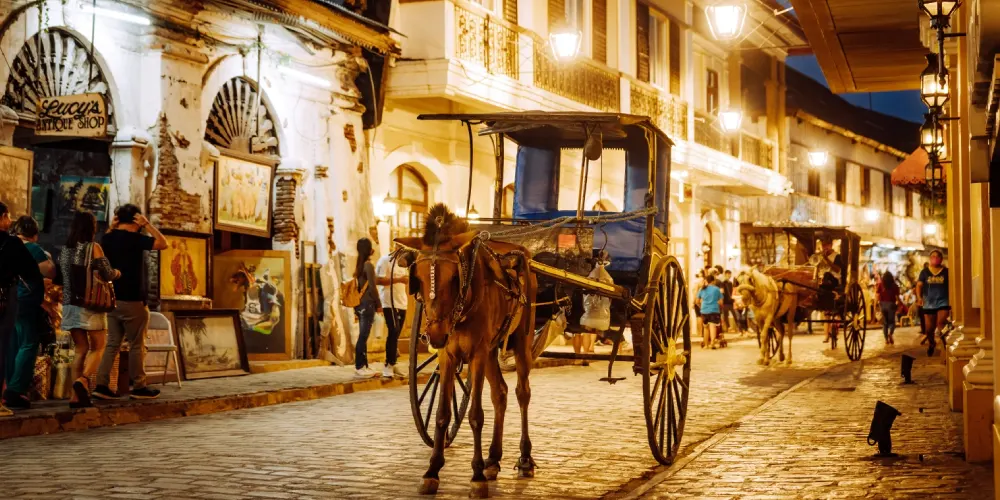
Vigan, a UNESCO World Heritage Site, is one of Asia’s best-preserved examples of Spanish colonial architecture. The cobblestone streets and well-preserved ancestral houses of Calle Crisologo transport visitors back in time. Vigan’s historic charm is complemented by cultural attractions such as the Syquia Mansion and the Padre Burgos House. The city’s vibrant local crafts scene, featuring traditional pottery and weaving, adds to its allure. Visiting the Bantay Bell Tower offers panoramic views of the city and its surroundings.
Davao City
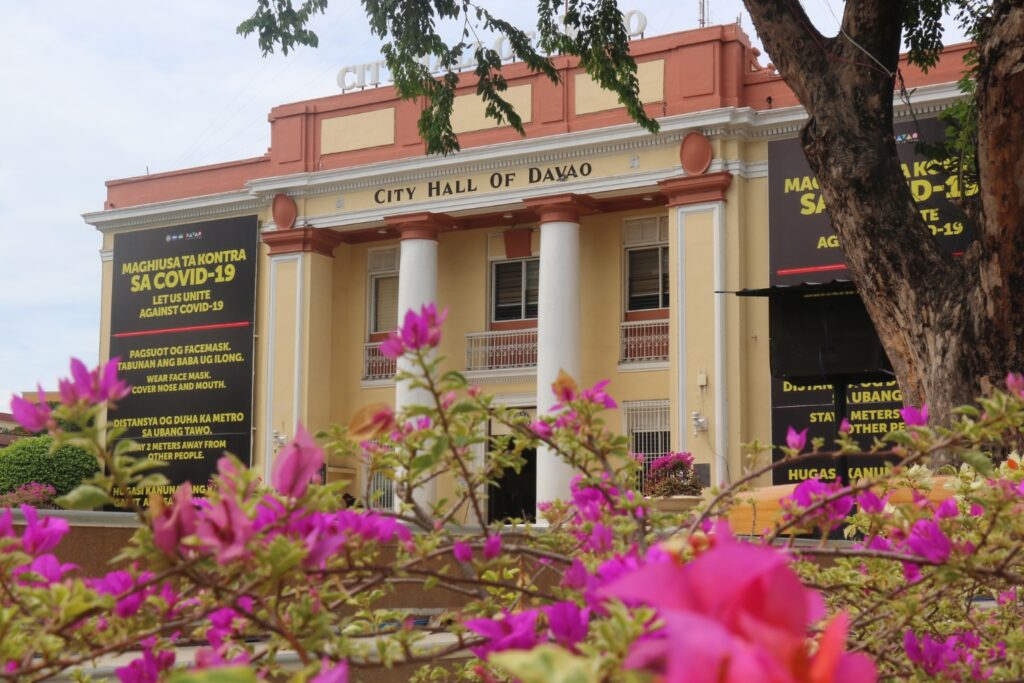
Davao City, located in Mindanao, is known for its diverse attractions and vibrant culture. Mount Apo, the highest peak in the Philippines, offers challenging hikes and breathtaking views. The Philippine Eagle Center is dedicated to conserving the critically endangered Philippine eagle, the national bird. Samal Island, just a short boat ride away, boasts beautiful beaches and luxurious resorts. Davao’s bustling markets and lively festivals, such as the Kadayawan Festival, showcase the city’s rich cultural heritage.
Sagada
Sagada is a haven for adventure seekers and nature lovers. The town is famous for its hanging coffins, an ancient burial tradition that reflects the unique culture of the indigenous people. Cave spelunking in Sumaguing Cave offers an exciting exploration of underground formations and chambers. The Kiltepan Viewpoint provides stunning sunrise views over a sea of clouds, while Echo Valley offers picturesque landscapes and serene trekking paths. Sagada’s cool climate and tranquil atmosphere make it an ideal retreat from the tropical heat.

Baguio
Baguio, known as the “Summer Capital of the Philippines,” offers a cool climate and scenic landscapes. The city’s pine-covered hills and vibrant flower gardens provide a refreshing escape. Burnham Park and Wright Park are popular spots for leisure and outdoor activities. The Baguio Cathedral and the Mansion House are significant historical landmarks. Baguio is also famous for its local markets, where visitors can buy fresh strawberries, silver jewellery, and traditional handwoven fabrics. The Panagbenga Festival celebrated annually, showcases the city’s cultural vibrancy through colourful flower floats and street dances.

Manila
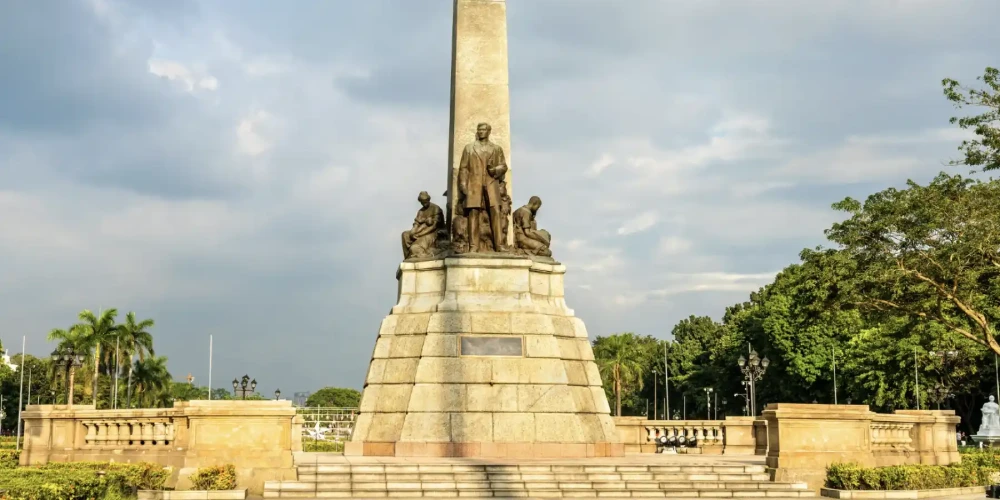
Manila, the capital city, is a bustling metropolis with many historical and modern attractions. Intramuros, the walled city, is home to significant historical sites such as Fort Santiago and San Agustin Church. Rizal Park, a vast urban park, commemorates the country’s national hero, Dr. Jose Rizal. Manila’s vibrant nightlife, shopping malls, and diverse culinary scene reflect its dynamic urban culture. The National Museum of the Philippines and the Cultural Center of the Philippines are key institutions that celebrate the country’s rich artistic heritage.
Tagaytay
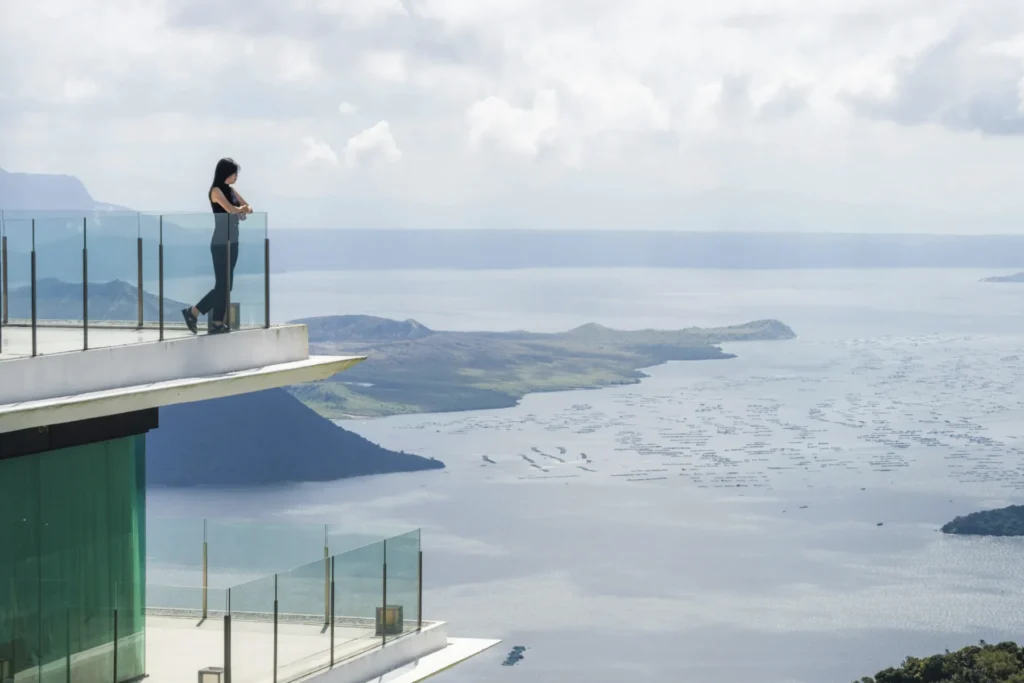
Tagaytay, located just a short drive from Manila, is famous for its stunning views of Taal Volcano and Taal Lake. The cool climate and lush landscapes make it a popular weekend getaway. Visitors can enjoy panoramic views from the Tagaytay Picnic Grove and People’s Park in the Sky. Tagaytay is known for its vibrant food scene, offering local delicacies such as bulalo (beef marrow soup) and buko pie (coconut pie). The Sky Ranch amusement park and the Puzzle Mansion, home to the world’s largest collection of jigsaw puzzles, add to the city’s attractions.
Ilocos Norte
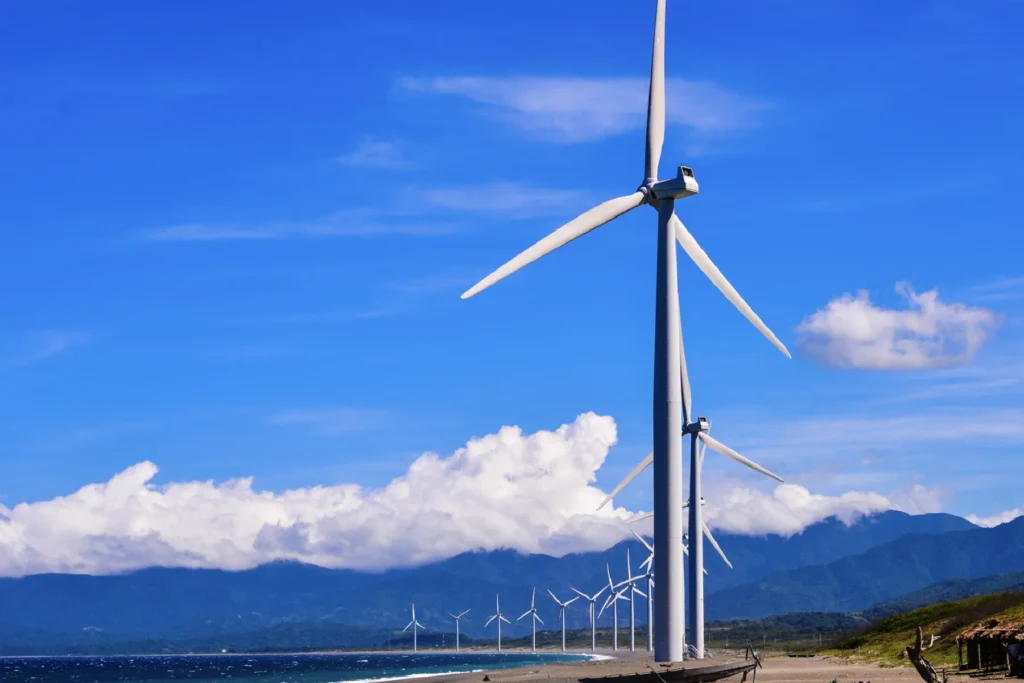
Ilocos Norte, located in northern Luzon, is rich in history and natural beauty. The dunes of Paoay offer exciting activities such as 4×4 rides and sandboarding. Heritage sites like the Paoay Church and the Cape Bojeador Lighthouse reflect the region’s colonial past. The Bangui Windmills, a series of giant wind turbines along the coast, provide a strikingly modern contrast to the historical landmarks. Ilocos Norte’s scenic coastal roads and tranquil beaches make it a delightful destination for road trips and relaxation.
Leyte
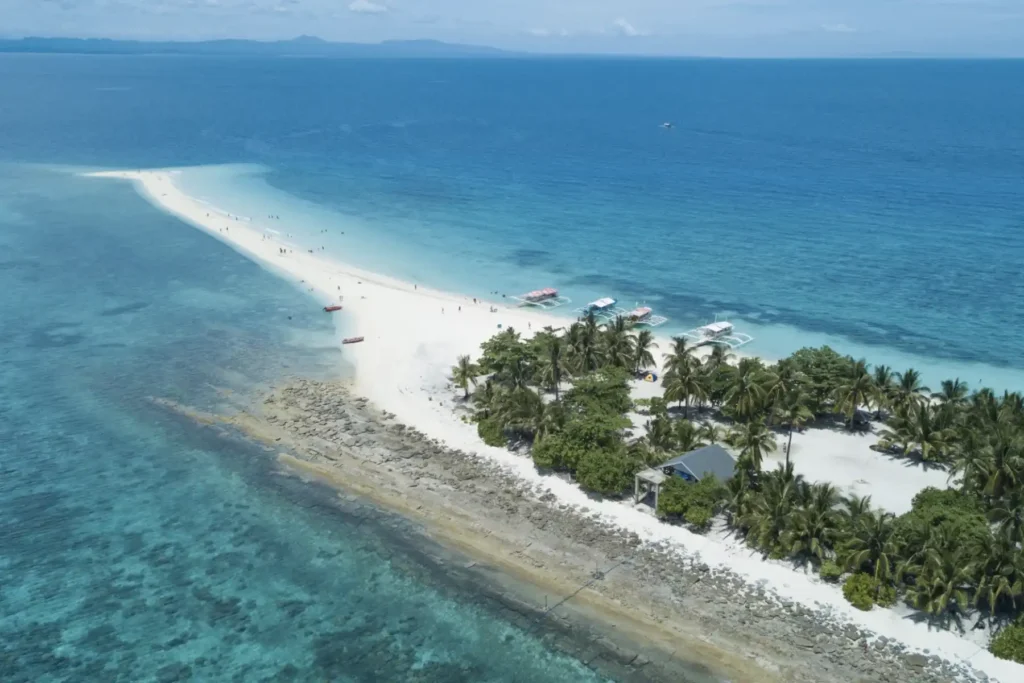
Leyte, an island province in the Visayas, is steeped in history and natural beauty. The MacArthur Landing Memorial National Park commemorates General Douglas MacArthur’s return to the Philippines during World War II. Kalanggaman Island, with its long sandbars and crystal-clear waters, is a perfect destination for beach lovers and snorkelers. Leyte’s rugged interior offers scenic waterfalls, such as the Tinago Falls and the Mahagnao Volcano Natural Park, which features hot springs, craters, and lush forests. The island’s rich history and natural attractions make it a captivating destination.
Pampanga
Pampanga, known as the culinary capital of the Philippines, offers a gastronomic adventure for food lovers. The province is famous for its traditional dishes, such as sisig, a savoury pork dish, and halo-halo, a refreshing dessert. The annual Hot Air Balloon Festival in Clark is a major attraction, featuring colorful hot air balloons, aviation displays, and various activities. Pampanga’s cultural heritage is reflected in its old churches and ancestral houses, such as the San Guillermo Church and the Pamintuan Mansion. The province’s rich culinary traditions and vibrant festivals make it a must-visit destination.

Zambales
Zambales, located along the western coast of Luzon, is known for its pristine beaches and outdoor adventures. Anawangin Cove, with its unique pine-lined shores, offers a tranquil escape for campers and beachgoers. The trek to Mount Pinatubo, an active volcano, rewards hikers with stunning views of its crater lake. Potipot Island, a small and secluded island, is perfect for swimming and snorkelling. Zambales’ natural beauty and recreational activities make it an ideal destination for nature lovers and adventure seekers.
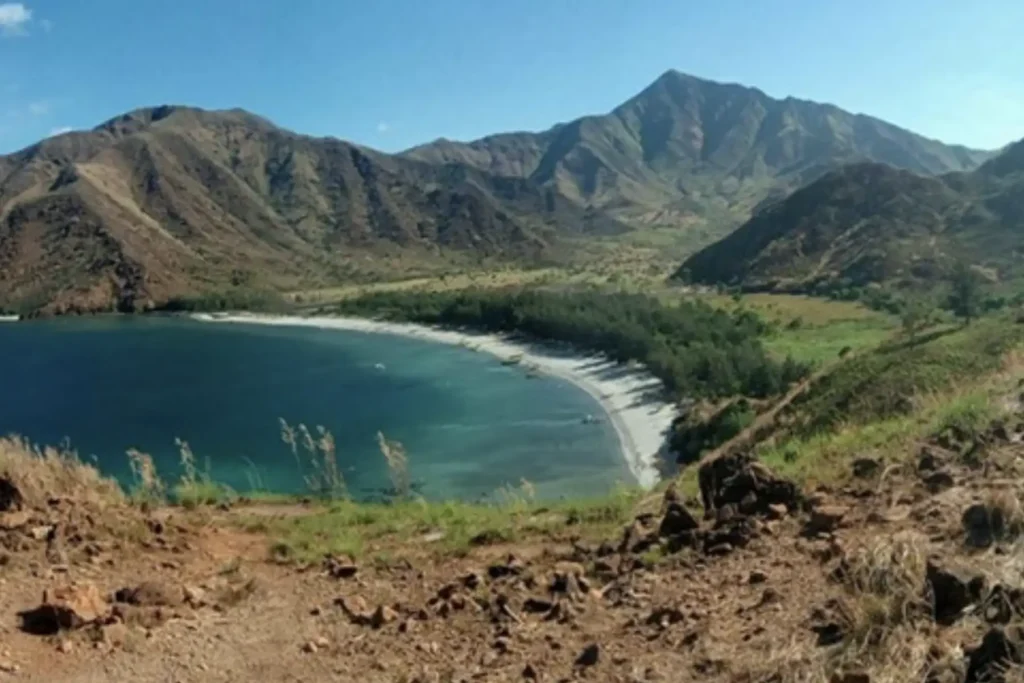
Camiguin
Camiguin, known as the “Island Born of Fire,” is a volcanic island with many natural attractions. The Sunken Cemetery, marked by a large cross, is a poignant reminder of the island’s volcanic past. Visitors can relax in the Ardent Hot Springs or explore the Katibawasan Falls, a stunning 250-foot waterfall. White Island, a sandbar just off the coast, offers breathtaking views of the island’s volcanic peaks. Camiguin’s compact size and diverse attractions make it a perfect destination for exploration and relaxation.
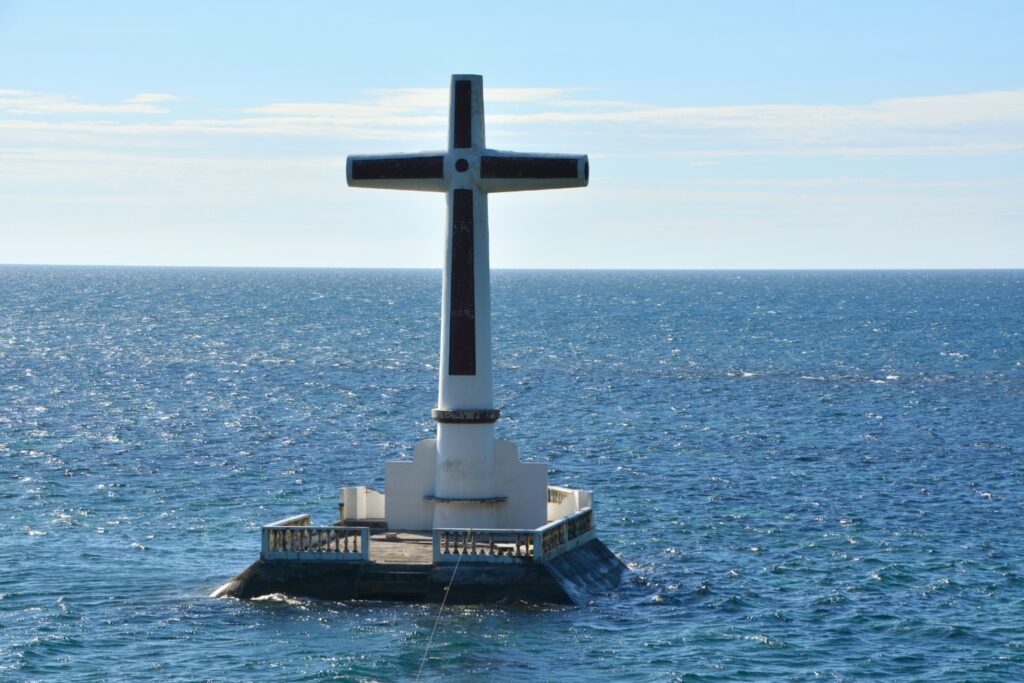
Negros Oriental
Negros Oriental, located in the Visayas, offers a mix of cultural heritage and natural beauty. Apo Island, a marine sanctuary, is famous for its vibrant coral reefs and sea turtles. Dumaguete, the provincial capital, is known for its charming seaside promenade and lively university-town atmosphere. Casaroro Falls, a hidden mountain gem, offers nature lovers a refreshing escape. The province’s rich history and diverse landscapes make it a captivating destination for travellers.
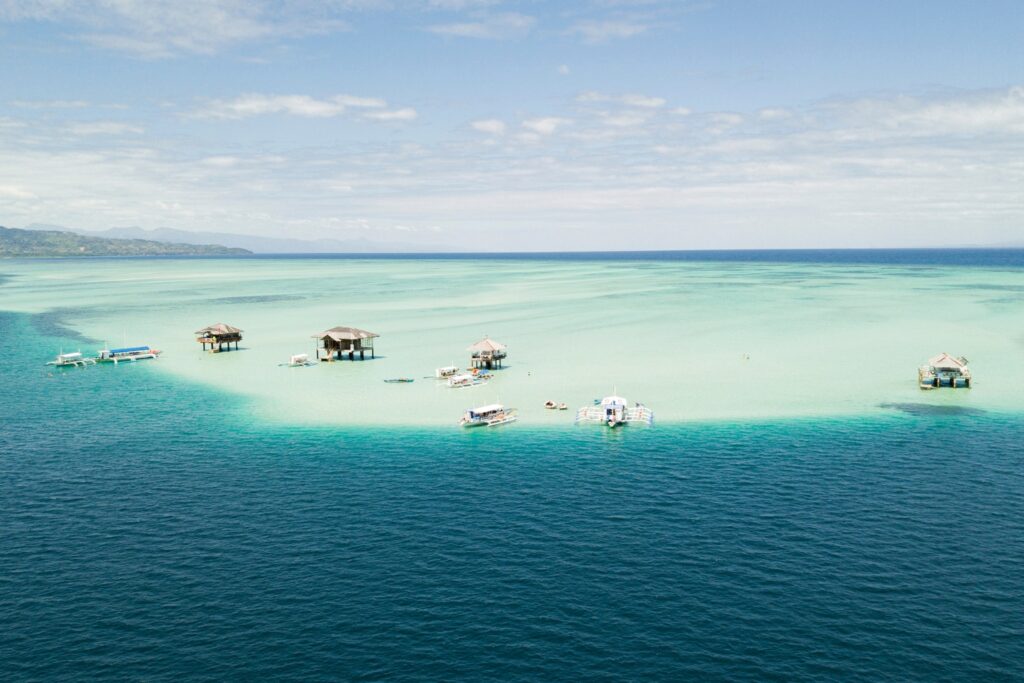
Samar
Samar, the third largest island in the Philippines, is known for its rugged terrain and natural beauty. The Sohoton Caves and Natural Bridge Park offer a unique adventure with limestone caves, underground rivers, and natural rock formations. The island’s waterfalls, such as Lulugayan Falls and Calbiga Falls, provide stunning views and refreshing swims. Samar’s remote and untouched landscapes make it an ideal destination for eco-tourism and adventure activities.
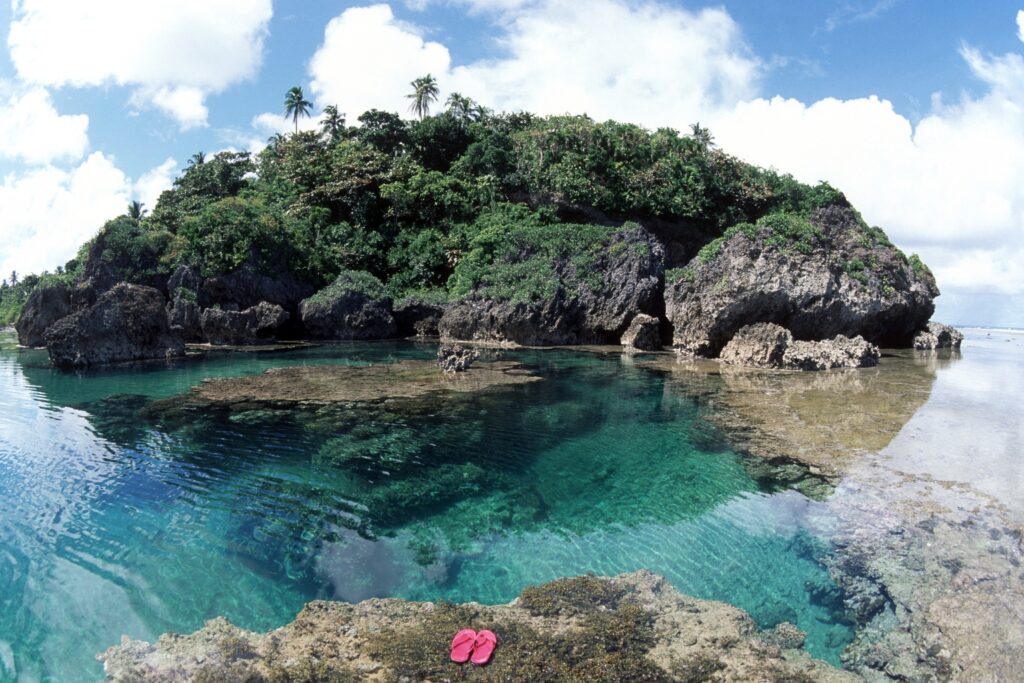
Bicol Region
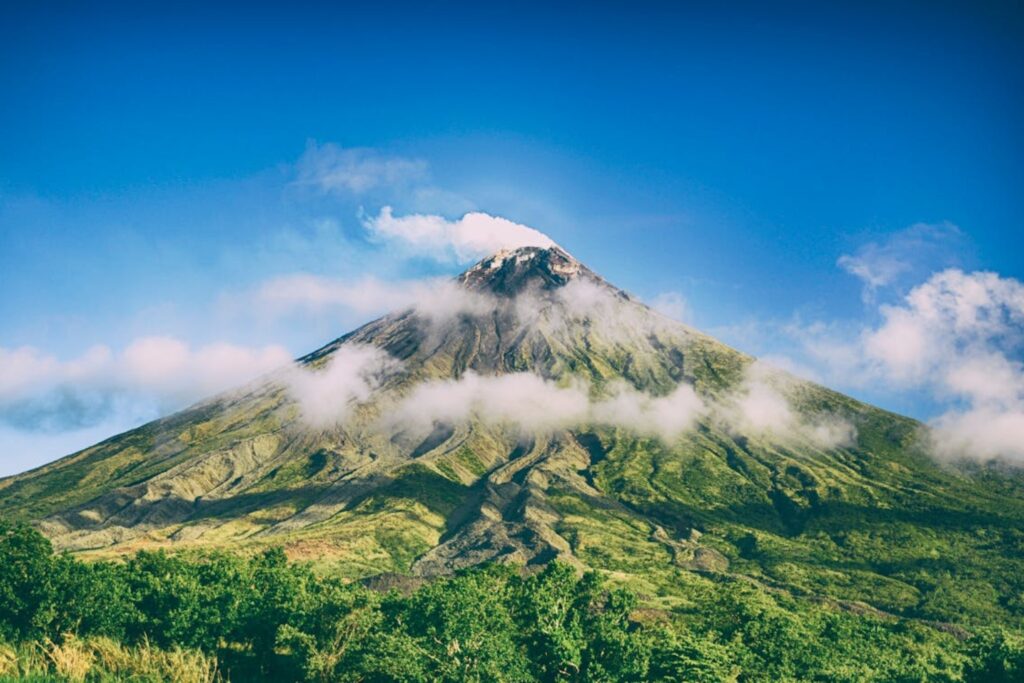
The Bicol Region, located in the southeastern part of Luzon, is famous for its active volcanoes and pristine beaches. With its perfect cone shape, Mayon Volcano is an iconic region symbol. The Caramoan Islands offer excellent island hopping and snorkelling opportunities with their dramatic limestone cliffs and crystal-clear waters. The town of Donsol is known for its whale-shark interactions, providing visitors with a unique and unforgettable experience. The Bicol Region’s diverse attractions and natural beauty make it a must-visit destination.
Siquijor
Siquijor, the “Mystical Island,” uniquely blends natural beauty and local folklore. The island’s pristine beaches, such as Salagdoong Beach and Paliton Beach, are perfect for swimming and relaxation. Siquijor is also known for its diving spots, including the Tubod Marine Sanctuary and the Cantabon Cave. The island’s mystical reputation is reflected in its traditional healing practices and local festivals. Siquijor’s serene atmosphere and captivating attractions make it a unique and enchanting destination.
FAQs
Where is the best place to surf in the Philippines?
Siargao is renowned as the surfing capital of the Philippines, famous for its Cloud 9 wave.
What is the most popular beach station in Boracay?
Station 1 is Boracay’s most popular beach station, known for its powdery white sands and vibrant nightlife.
What historical sites can I visit in Cebu?
Cebu is home to historical landmarks such as Magellan’s Cross, the Basilica Minore del Santo Niño, and Fort San Pedro.
What unique geological formation can be found in Bohol?
Bohol is famous for the Chocolate Hills, a series of over a thousand limestone hills that turn brown in the dry season.
Where can I experience traditional Ivatan culture?
Batanes offers a unique glimpse into the Ivatan culture, with its traditional stone houses, local cuisine, and distinct language.
What is the best time to visit Davao City for festivals?
The Kadayawan Festival, held in August, is the best time to visit Davao City and experience its vibrant cultural celebrations.
What to Pack for a Trip to the Philippines?
Ensure you have lightweight clothing, swimwear, comfortable walking shoes, rain gear, sun protection, and insect repellent. Don’t forget essential travel documents, toiletries, electronics, and a first aid kit.
Wrapping Up
The Philippines, with its stunning natural beauty, rich cultural heritage, and diverse landscapes, offers a wealth of destinations for every type of traveller. From the pristine beaches of Boracay and Palawan to the historical landmarks of Cebu and Vigan, each destination provides a unique and unforgettable experience. Whether you’re seeking adventure, relaxation, or cultural immersion, the top 20 must-visit places in the Philippines promise a journey of discovery and wonder. For a seamless travel experience, consider booking with ADJC Travel and tours, a premium travel agency in the Philippines.